
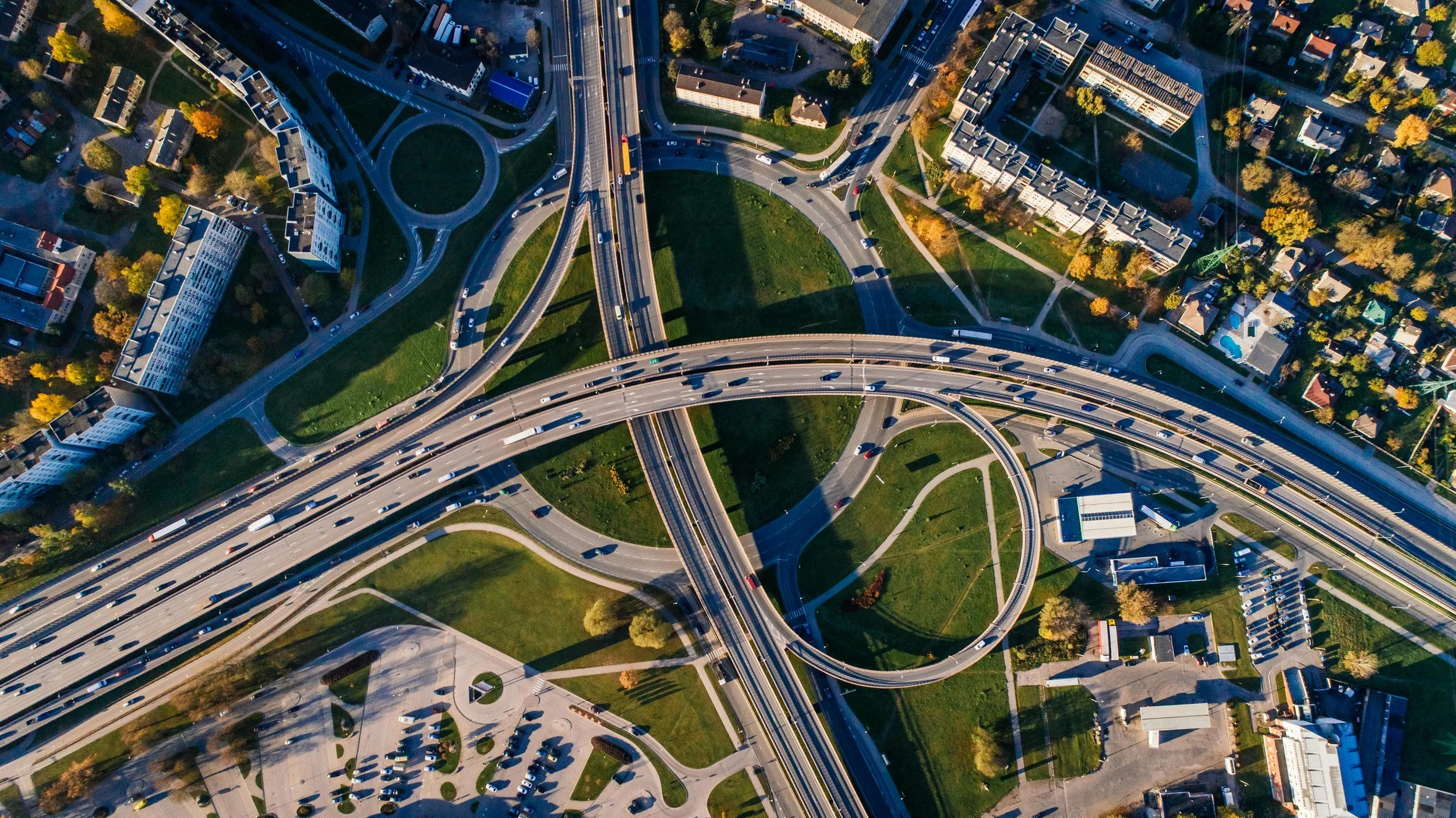
Traffic in Temecula isn’t just frustrating — it’s stealing time from families.
Missed dinners. Rushed mornings. Exhausted parents.
That’s time poverty, and it’s a direct result of how our city was designed.
Let’s be clear about the cause…
Most traffic in Temecula comes from trips within the city itself — school drop-offs, errands, and short daily travel. It’s not commuters. And it’s not housing. Homes don’t take up space on our streets. Cars do.
We built a city where nearly every trip requires a car. That wasn’t an accident — it was a design choice. And families are paying the price.
Design for the trips we actually take
Most congestion comes from:
School drop-offs
Grocery runs
Trips to Old Town
Kids’ activities
As a councilmember, I will advocate for:
Mapping the most common 2–5 mile trips
Prioritize Alternatives for those trips first. This is how we reduce traffic without widening roads.
Protected bike lanes — with a simple safety test
If you wouldn’t feel safe riding with your child in the bike lane, it’s not a bike lane.
I support:
Protected bike lanes with physical separation
Routes that connect:
Neighborhoods to schools
Neighborhoods to shopping centers
Neighborhoods to Old Town
Every trip not taken by car means less congestion for everyone — including people who must drive.
Bike Buses: safer streets, healthier kids, stronger community
One of the simplest ideas I support is the Bike Bus.
A bike bus is a group of kids and adults riding together to school along a set route, with “pick-up” points along the way.
This model works because:
Safety comes from numbers
Kids get daily exercise
Families avoid car lines
Community connection grows naturally
I will advocate for:
Bike bus routes within master-planned communities
Coordination with parents, schools, and city staff
Infrastructure that makes group riding safe — especially near schools and crossings
Kids should be able to wait for the bike bus the same way we used to wait for the school bus.
Parking lots that work for people — not just cars
A surprising amount of congestion happens inside and around parking lots.
I will push for:
Safe pedestrian walkways through parking lots
Bike access and bike parking
Clear trolley drop-off zones
Fewer conflict points between cars and people
This applies to large retailers — not to shut them down, but to make them accessible without forcing every trip to be a car trip.
Strong town design does not mean closing Costco, Target, or Walmart.
It means making them reachable by more than one mode of transportation.
Make the Trolley a Temecula staple — not a novelty
Temecula already has a street trolley. It should be part of daily life, not just tourism.
As a councilmember, I will advocate to:
Expand trolley routes to every master-planned community
Use the trolley for school-hour travel, Old Town access, and events
Improve reliability through priority lanes and signal timing where feasible
Save on Uber. Take the trolley.
Pilot programs, not panic
I don’t believe in shock policies.
I believe in:
Pilot corridors
A pilot corridor means:
Choosing one specific street or area
With a clear goal (safer school access, less congestion, easier walking)
And trying a change there first, instead of citywide
Example:
One stretch of road near a school gets a protected bike lane and safer crossings — not the entire city at once.
If it works, we expand it. If it doesn’t, we change it. No permanent commitment before proof.
Yes, there will be growing pains — but also more options, less stress, lower transportation costs, and more time at home.
Bottom line:
Traffic isn’t about cars.
It’s about presence.
Time poverty is a policy choice.
City council has the power to change it.
I’m running to give Temecula its time back.