
Local government should not feel confusing, intimidating, or closed off.
If people don’t know what’s being discussed, can’t get there, or can’t realistically participate, then democracy is already failing at the local level.
Accessibility is not about optics.
It’s about systems that invite participation instead of discouraging it.
Agendas must be public, understandable, and timely
Right now, most residents encounter City Council agendas as dense legal documents — if they see them at all. By the time people understand what’s happening, decisions are often already moving forward.
That’s not transparency.
That’s procedural compliance without public access.
What I will push for as a councilmember:
Every City Council agenda shared in plain language, in addition to the official legal packet
Clear summaries that explain:
What each item is
What decision is being made
Why it matters to residents
Legal language belongs in the official agenda packet.
Residents deserve clarity.
Timing matters — access must come before decisions
City Council meetings occur on the 2nd and 4th Tuesday of every month.
The official agenda is released and emailed the Friday prior.
That timing should be used to inform the public — not bury them in paperwork.
I will advocate for:
Plain-language agenda summaries released the same day as the official agenda
At that same time, the city:
Posts a summary on social media
Highlights key agenda items
Explains how the public can participate (in person, written comment, or virtual options if available)
If the city can use social media to promote itself, it can use social media to inform residents about decisions that affect their lives.
This should be standard practice, not dependent on who happens to be in office.
Town halls that belong to the community
Community access cannot be limited to City Hall meetings or election season.
I support:
At least two town halls per year
Held in neighborhoods, schools, or community spaces — not just City Hall
Any councilmember permitted to host
Publicly supported and promoted by the city
Town halls should be:
Accessible
Informal
Focused on listening, not lecturing
Residents shouldn’t have to navigate a formal dais just to be heard.
Make participation — and leadership — realistic
True representation starts when everyday community members can participate and see a path to leadership.
Right now, running for local office feels opaque, expensive, and insider-driven.
I will advocate for:
Clear, public, step-by-step guides on how to run for local office
Workshops or info sessions explaining:
Filing requirements
Campaign finance basics
Time commitments and expectations
Fewer unnecessary procedural barriers that discourage working parents, renters, and first-time candidates
Democracy works best when leadership reflects the community — not just the people who can afford to navigate confusing systems.
Make City Hall functional — not just beautiful
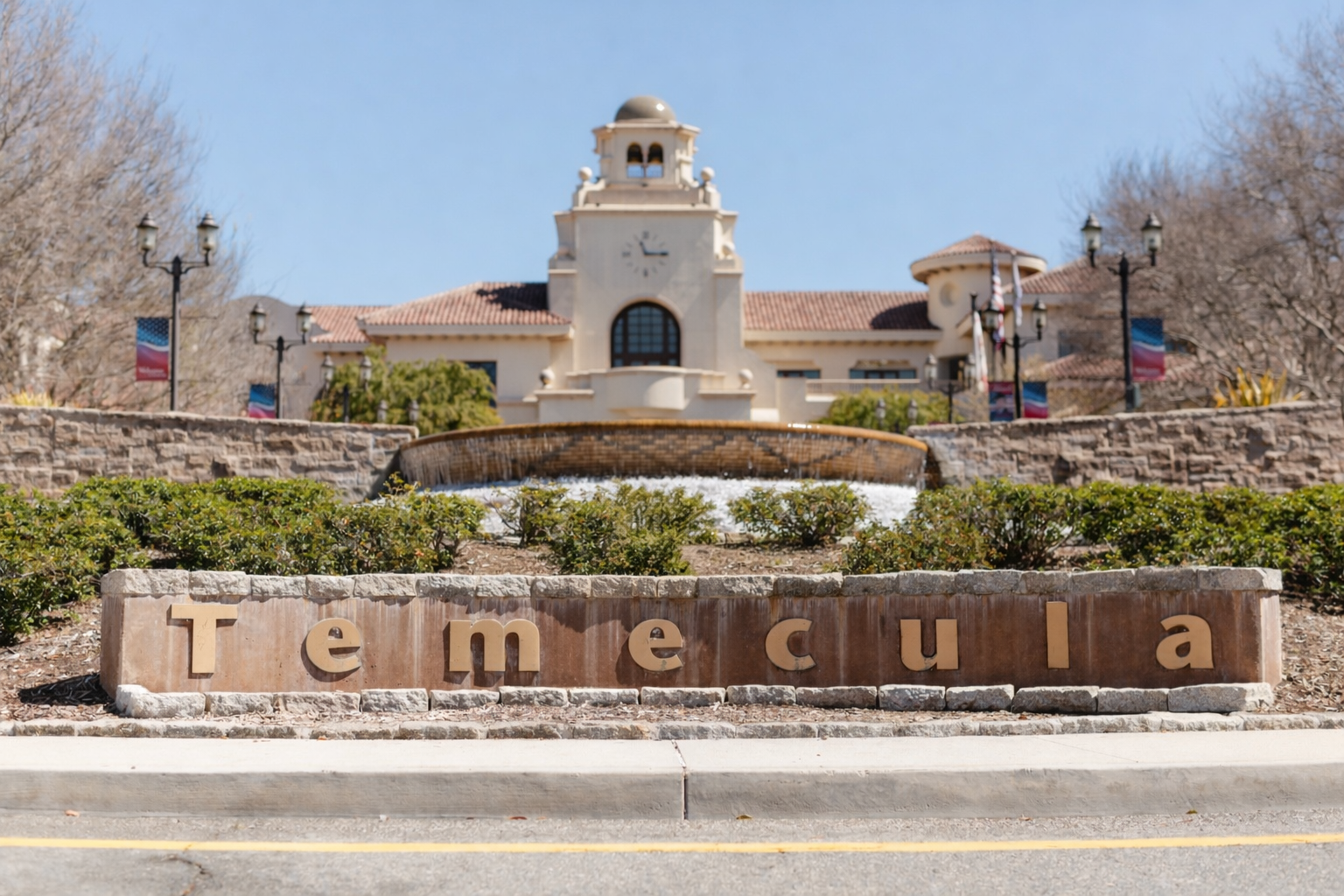
Temecula City Hall is an impressive building with a substantial parking structure.
But access should not depend on owning a car.
I will advocate for:
Dedicated, visible bike parking
A clearly marked trolley drop-off and pick-up area
Safe pedestrian access and clear wayfinding
If we want people to participate in local government, we have to make it possible for them to get there — safely and realistically..
The Bottom Line:
Accessibility builds trust.
That means:
Information you can understand
Agendas you see before decisions are made
Meetings you can attend
A City Hall you can actually reach
A system where real community members can lead
I’m running to make City Hall accessible — because presence starts with access.